


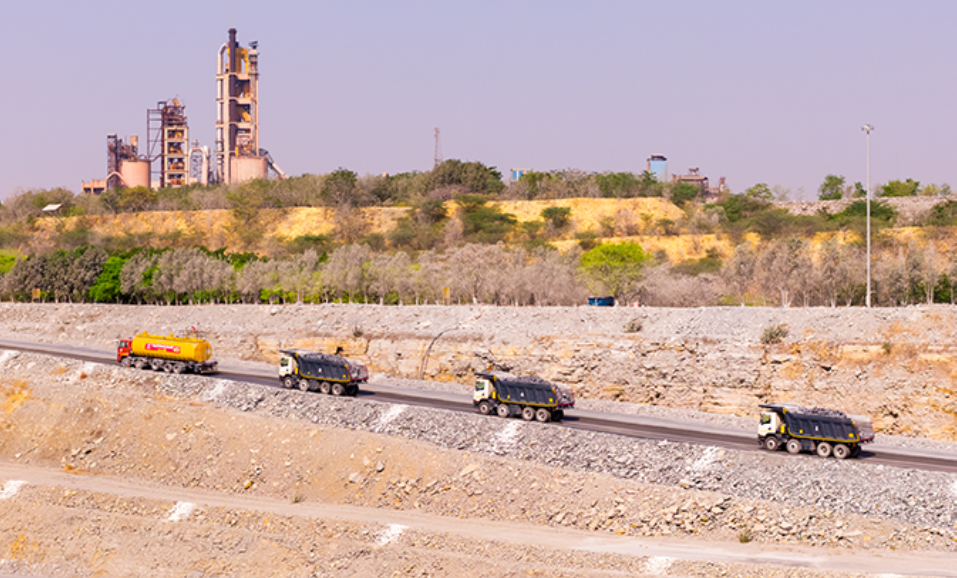
Mining
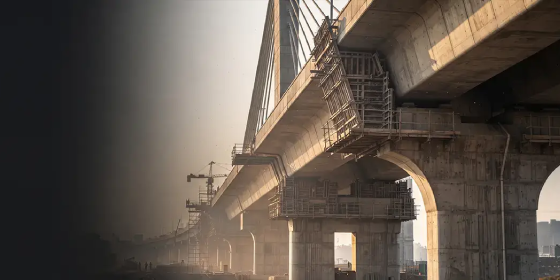
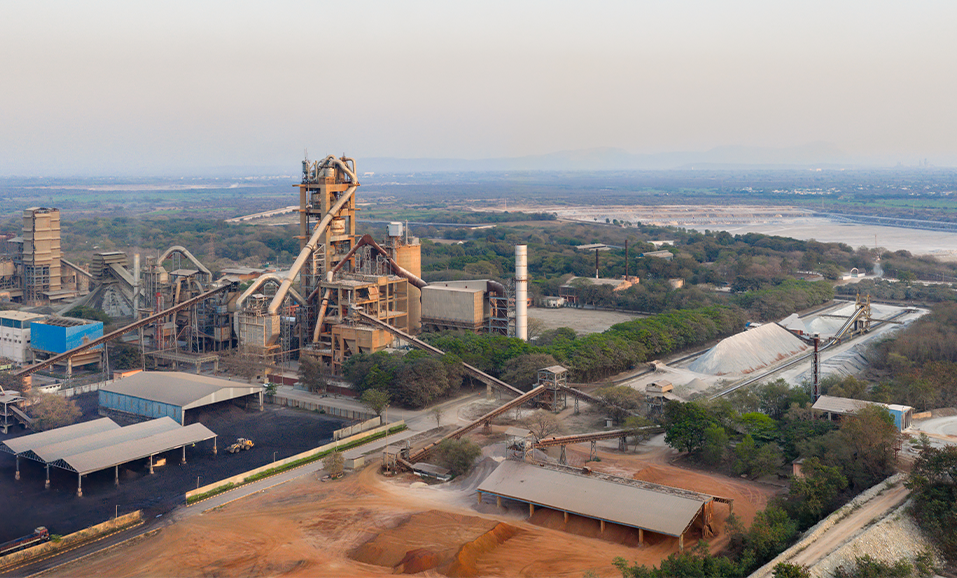
The process begins with carefully controlled limestone extraction, ensuring the right raw material quality for consistent cement production.

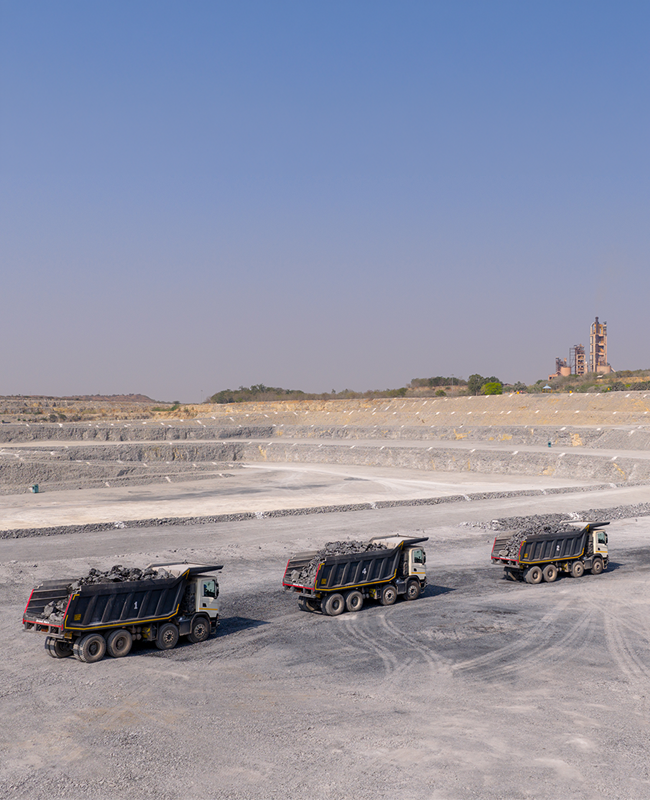
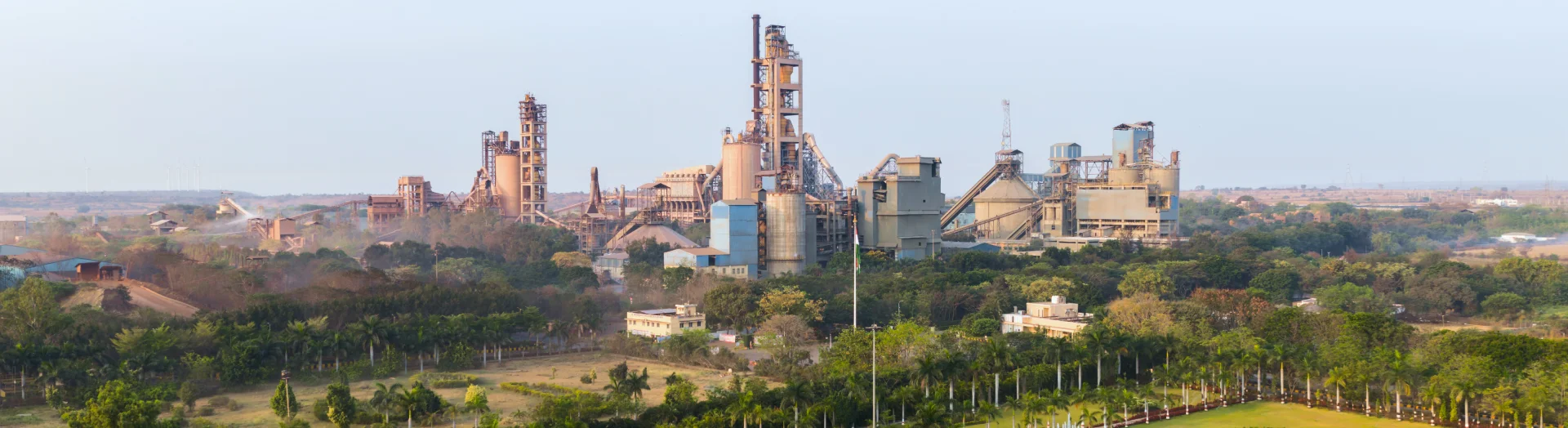
Good cement starts before the factory. It starts with the right limestone, the right technology and a process that has been refined over four decades. At Priya Cement, quality is built into every stage of manufacturing, from mining and raw-material preparation to clinker production, grinding and packing.Our two integrated plants in Suryapet, Telangana and Nandyal, Andhra Pradesh use FLSmidth technology, real-time XRF quality monitoring and independently audited management systems to maintain consistent standards from the first stage of production to the finished bag.
From raw materials to quality-assured cement.
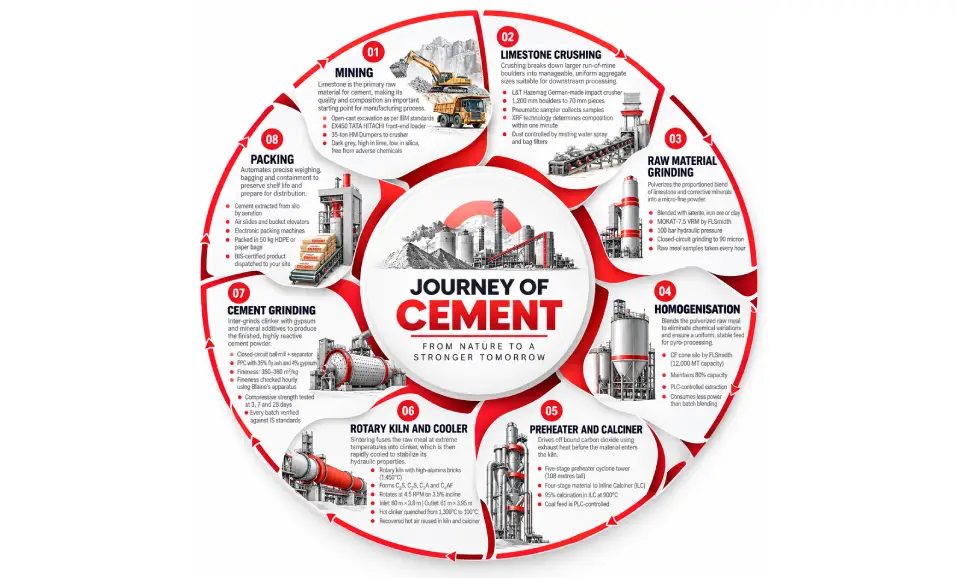
Most of what determines cement quality happens long before the bag is packed. It happens inside the plant, in the mill, in the silo and in the laboratory. The eight steps below show exactly where and how Priya Cement builds quality in, rather than testing for it at the end.
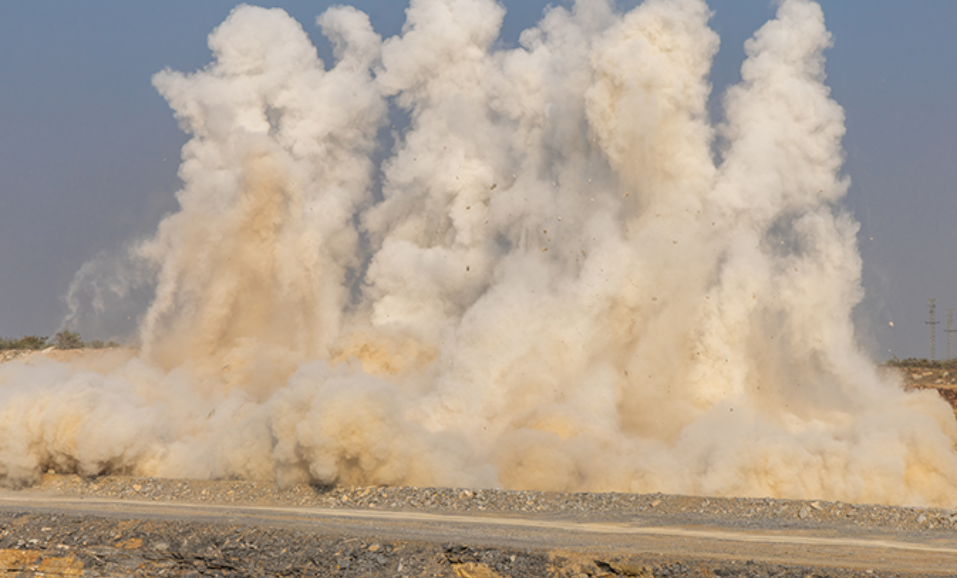
Limestone is the primary raw material for cement, making its quality and composition an important starting point for the manufacturing process.At both plants, limestone deposits are excavated using open cast techniques, with benches prepared per Indian Bureau of Mines (IBM) standards. An IBH-10 Atlas Copco drilling machine bores holes into the limestone bench, filled with ammonium nitrate and Kelvex explosives. Nonel blasting delivers uniformly fragmented limestone with minimum noise, dust and ground vibration.
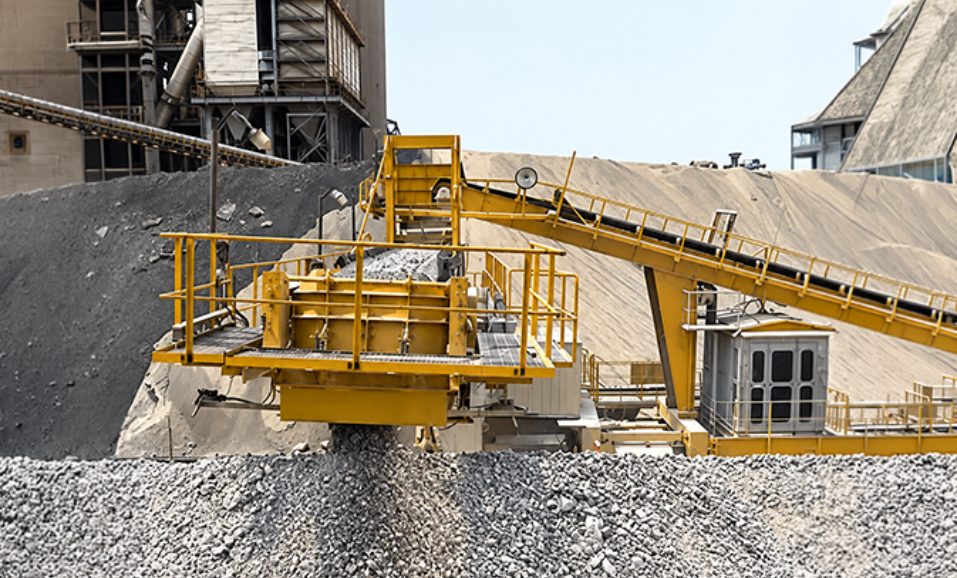
Crushing breaks down large run-of-mine boulders into manageable, uniform aggregate sizes suitable for conveyance and downstream grinding.An L&T Hazemag German-made impact crusher reduces 1,200 mm limestone boulders into uniform 70 mm pieces using heavy-duty blow bars and hydraulic-operated aprons. A misting water spray system and bag filters control dust at source.
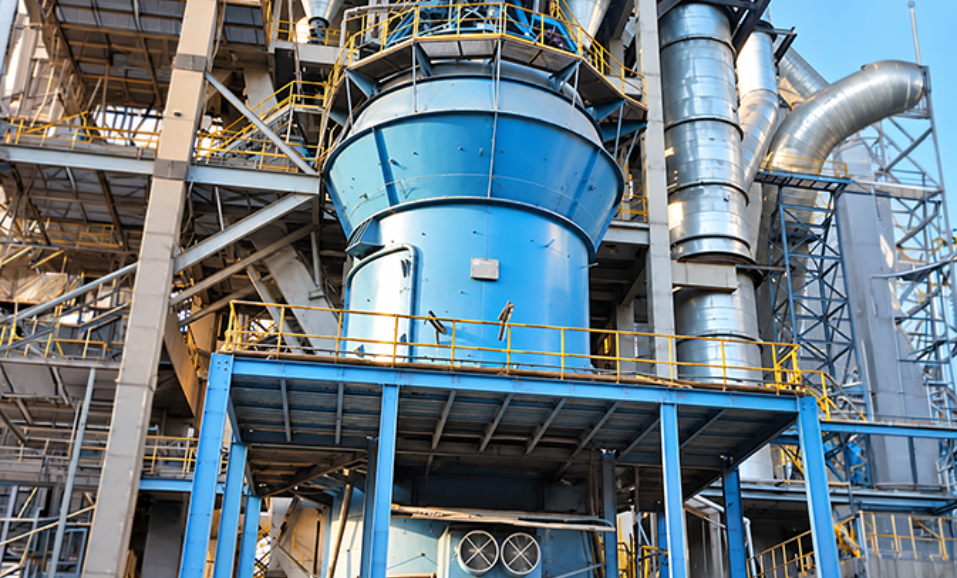
Raw grinding pulverizes the proportioned blend of limestone and corrective minerals into a micro-fine powder to maximize chemical reactivity during thermal processing.Crushed limestone is blended with additives including laterite, iron ore, or clay to enhance reactivity during pyro-processing. All materials are ground in an ATOX-47.5 Vertical Roller Mill (VRM) by FLSmidth, Denmark, at 150 bar hydraulic pressure with a high-efficiency dynamic separator.
Homogenisation blends the pulverized raw meal to eliminate chemical variations and ensure a uniform, stable feed for pyro-processing.Ground raw meal is homogenised in a Controlled Flow Inverted (CFI) cone silo by FLSmidth, with a blending capacity of 12,000 MT. Raw meal is fed from the top and extracted from the bottom using 0.8 bar aeration.
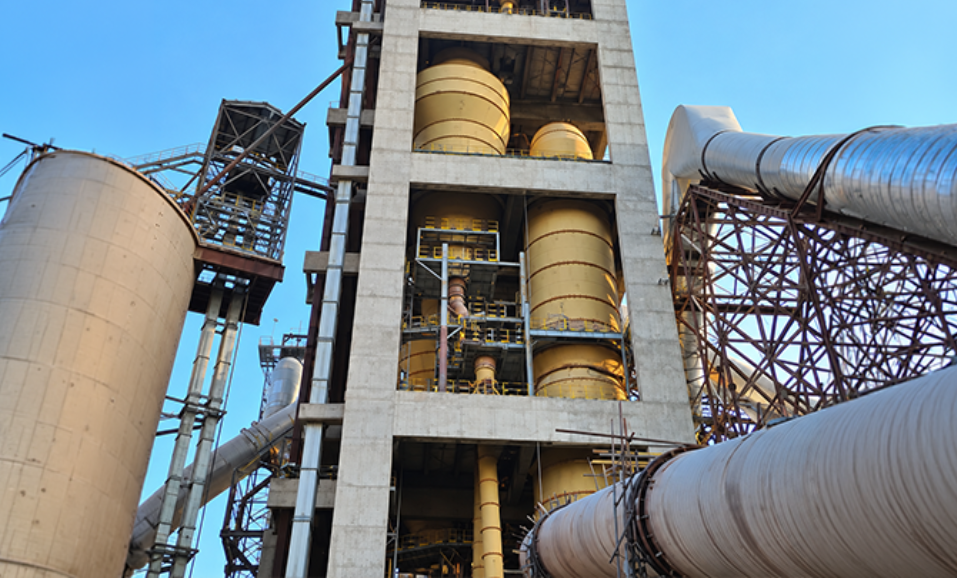
Thermal preheating and calcination drive off bound carbon dioxide from the limestone using exhaust heat before the material enters the kiln.A five-stage preheater cyclone tower, 110 metres tall, preheats raw meal using recovered kiln heat. Raw meal travels downward through the cyclones, exchanging heat with rising kiln gases at each stage.
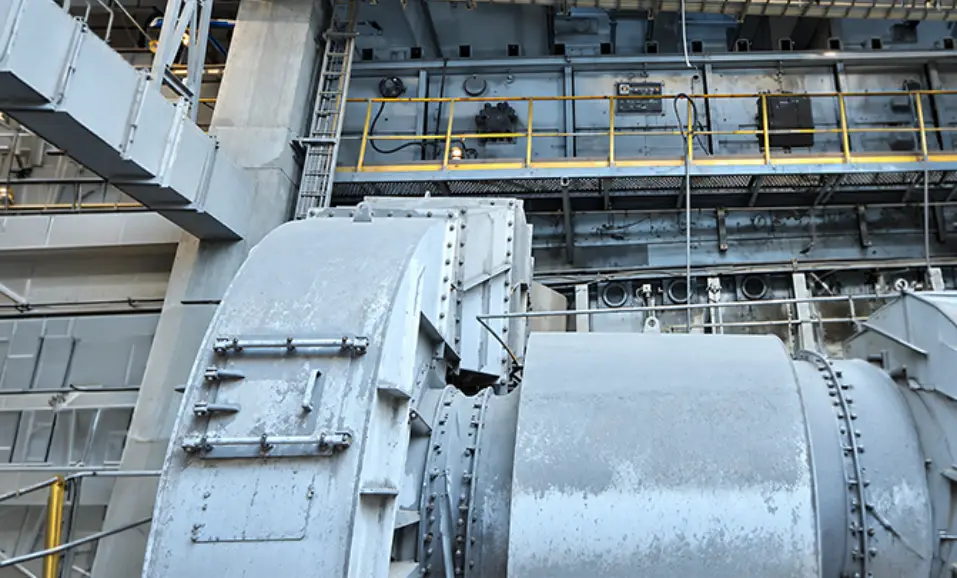
Sintering inside the rotary kiln fuses the raw meal at extreme temperatures into mineral clinker, which is then rapidly cooled to stabilize its hydraulic properties .The calcined raw meal enters the rotary kiln, which is lined with high-alumina refractory bricks rated up to 1,450°C. A multi-channel burner fires pulverized coal to produce a high-radiation flame, facilitating the formation of C₃S, C₂S, C₃A, and C₄AF, the primary clinker compounds responsible for cement strength. The kiln rotates at approximately 4.5 RPM and is installed at a 3.5% inclination to ensure smooth material movement through the burning zone.
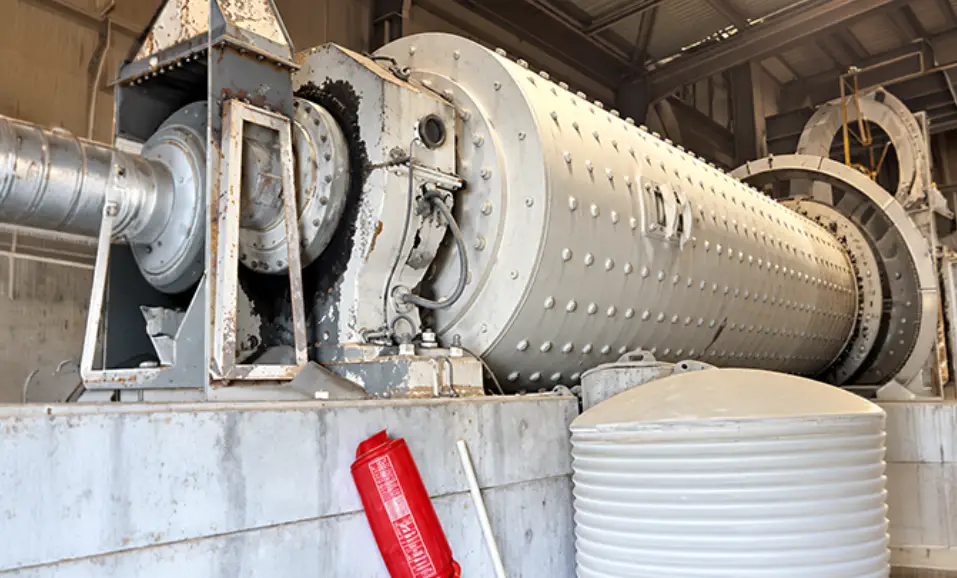
Final grinding inter-grinds clinker nodules with set-regulating gypsum and mineral additives to produce the finished, highly reactive cement powder.Cooled clinker is transported to a closed-circuit ball mill with a high-efficiency separator. PPC is produced by inter-grinding clinker with 35% fly ash and 4% gypsum to a fineness of 350 to 360 m²/kg. Ground cement is stored in waterproof concrete silos until packing.
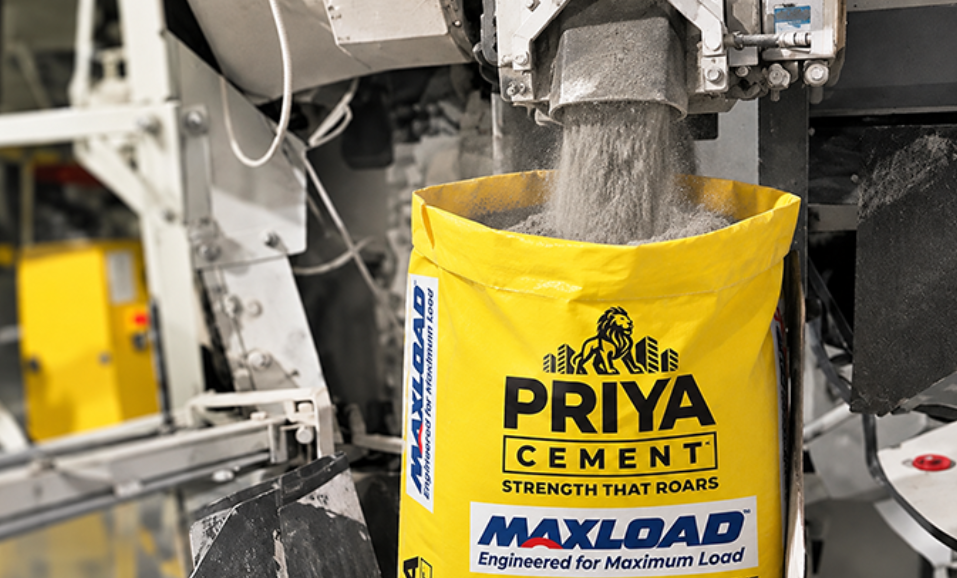
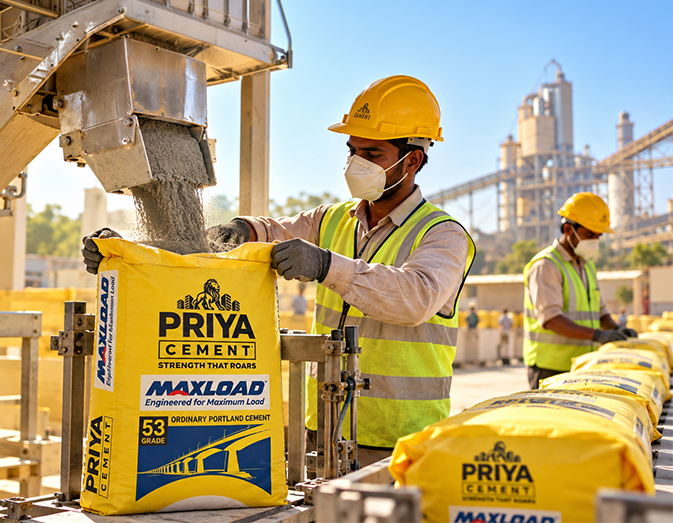
Packing automates the precise weighing, bagging, and containment of finished cement to preserve shelf life and prepare it for distribution.Cement is extracted from the silo by aeration and transported to electronic packing machines via air slides and bucket elevators. Each bag is packed to 50 kg in HDPE or paper bags as per customer requirements.
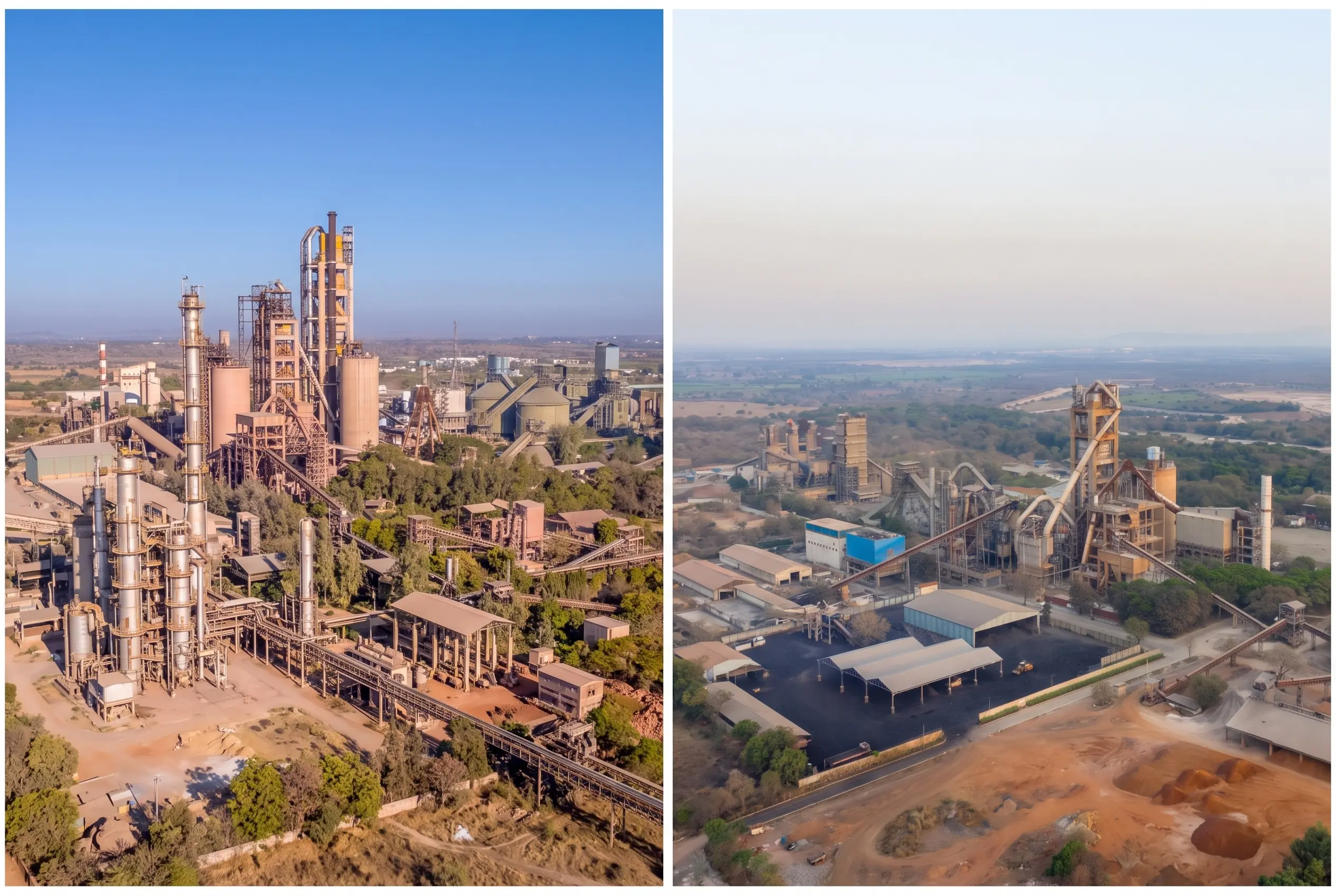
Both Priya Cement plants were built on the same principle: that the quality of limestone going in determines the quality of cement coming out. Our mines sit on some of the finest limestone reserves in India, and our plants are equipped to make the most of every tonne extracted.
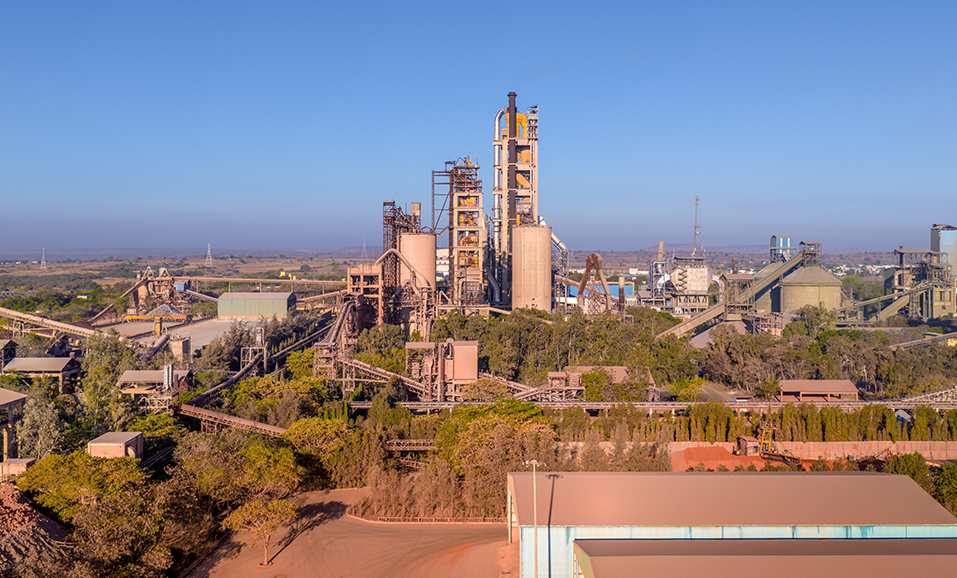
Commissioned on 15 August 1986, Priya Cement's first integrated plant in Ramapuram, Suryapet marked the beginning of RAIN CEMENTS LIMITED's manufacturing journey. With a cement production capacity of 1.5 MTPA, Unit I primarily serves Telangana, Andhra Pradesh and neighbouring states across South India.
Plant Infrastructure | Capabilities |
|---|---|
Total plant area | 109 Ha |
Landscape area | 50 Ha |
Total mines area | 473.77 Ha |
Clinker capacity | 1.0 MTPA |
Cement capacity | 1.5 MTPA |
Products | OPC and PPC |
WHR capacity | 4.1 MW, commissioned 2019 |
Avg. yearly WHR generation | 250 lakh units |
Solar capacity | 7.725 MW |
Avg. yearly solar generation | 100 lakh units |
Kiln dimensions | 60 m length, 3.8 m diameter |
Process temperature | 1,450°C |
Trees planted | 1 lakh |
ISO certifications | ISO 9001:2015, ISO 14001:2015, ISO 45001:2018, ISO 50001:2018 |
BIS certification | OPC per IS 269:2015 and PPC per IS 1489 (Part 1):2015 |
Established in Boincheruvupally, Kurnool District, Unit II expanded Priya Cement's manufacturing footprint into Andhra Pradesh. With a cement production capacity of 2.77 MTPA, it is the larger of the two plants and serves markets across Andhra Pradesh, Tamil Nadu, Karnataka, Kerala, Maharashtra and Odisha.
Plant Infrastructure | Capabilities |
|---|---|
Total plant area | 65.7 Ha |
Landscape area | 47 Ha |
Total mines area | 528 Ha |
Clinker capacity | 1.94 MTPA |
Cement capacity | 2.77 MTPA |
Products | OPC and PPC |
WHR capacity | 6.45 MW, commissioned 2016 |
Avg. yearly WHR generation | 430 lakh units |
Solar capacity | 13.26 MW |
Avg. yearly solar generation | 202 lakh units |
Kiln dimensions | 61 m length, 3.95 m diameter |
Process temperature | 1,450°C |
Trees planted | 4.4 lakh |
ISO certifications | ISO 9001:2015, ISO 14001:2015, ISO 45001:2018, ISO 50001:2018 |
BIS certification | OPC per IS 269:2015 and PPC per IS 1489 (Part 1):2015 |
Both plants run eight quality tests on every batch, from hourly fineness and setting time checks to daily compressive strength and full chemical analysis. Testing equipment includes XRF, CTM Machine, Vibrating Machine, Vicat Apparatus, Blaine's Apparatus, Le Chatelier's Bath and Auto Clave Machine.
Test | What it measures | Frequency |
|---|---|---|
Blaine's fineness | Fineness of cement | Hourly |
Setting time | Setting time of cement | Hourly |
XRF chemical analysis | Major oxides and quality parameters | Hourly |
Compressive strength | 3-day, 7-day and 28-day strength | Daily |
Le Chatelier's soundness | Volumetric stability | Daily |
Autoclave soundness | Volumetric stability | Daily |
Drying shrinkage | Dimensional stability | Daily |
Full chemical analysis | Complete chemical composition | Daily |
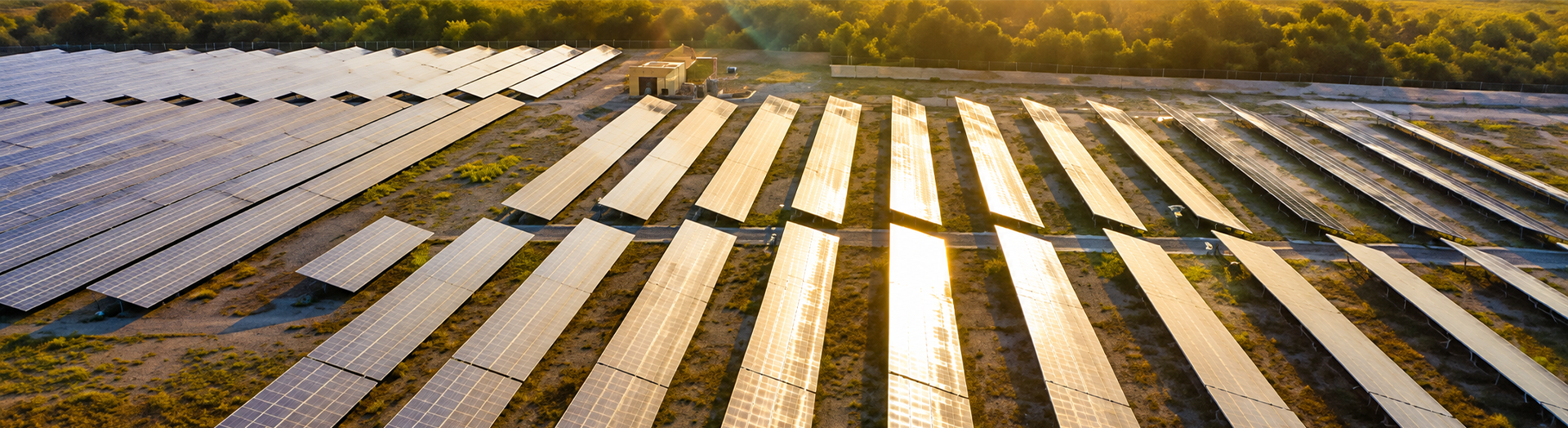
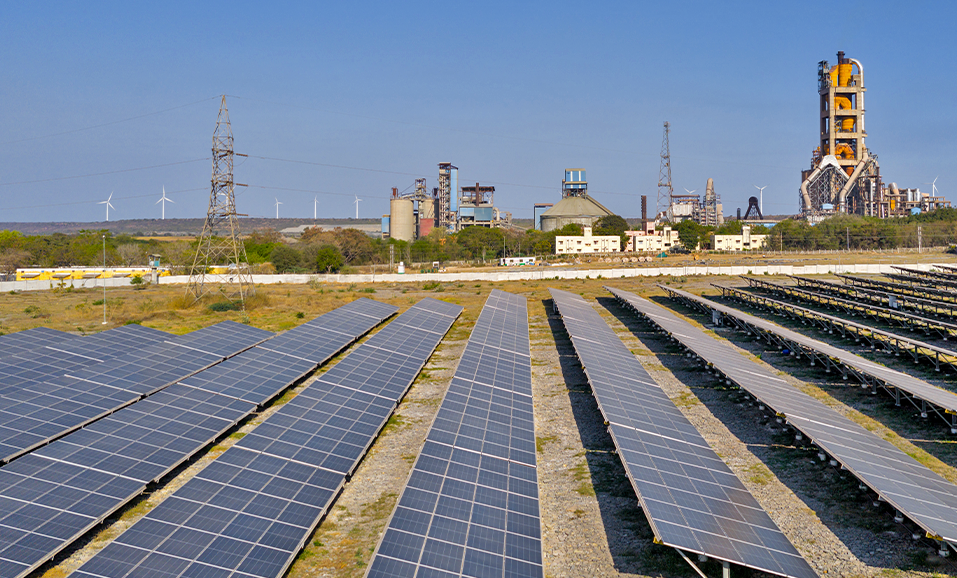
Manufacturing well does not just mean making cement that performs. It means doing it in a way that reduces impact at every stage. Priya Cement has increased fly ash content in PPC to 35%, cutting clinker consumption and the carbon footprint of every bag. Combined solar capacity across both plants now stands at 20.985 MW, generating clean electricity that powers our operations. Waste heat recovery systems at both plants convert kiln exhaust into 10.55 MW of additional renewable power.
We use cookies to enhance your browsing experience. By continuing to use our website you agree to our policies.